
Buyers Guide
An 8-step crash course for buying a home
Created by:
Cole Decker
Real Estate Consultant
RE/MAX Affiliates

Step 1: Partner with a Real Estate Consultant
Don't just hire an agent, partner with a consultant.
Choosing a consultant should be based on expertise and trust, but finding the right fit can be as challenging as finding a needle in a haystack. Given the significant investment involved, it's crucial to work with a consultant who is strategic, experienced, and highly trustworthy. At the end of the day, you're selecting this individual to join your team and represent you in one of the largest transactions of your life. It's an important step you simply can't afford to skip.


Step 2: Prepare your Finances
Before falling in love with a home that's available, it's crucial that you've reviewed your finances and have an understanding of your budget.
If you are planning to pay for the home using a loan, this is the appropriate time to get pre-approved with a lender of your choice.
If you're planning on making a cash transaction, you should seek a letter from your financial advisor or institution stating that you have the financial wherewithal to perform such a transaction.
You will use this letter - either pre-approval or financial wherewithal - as supporting evidence when you submit your offer. This gives the seller a reason to trust you, and might make your offer more desirable in a multiple offer situation.
Step 3: Define your Strategy
Create a list of features you need in a home, such as the number of bedrooms and bathrooms, location, and yard size, as well as features that would be nice to have, but are not essential. Research the neighborhoods you are interested in, taking into consideration factors such as schools, safety, access to public transportation, and local amenities. Use these factors to refine your search criteria.
Additionally, it's important to note any timelines you're adhering to.


Step 4: Start your Search
Now that you know what you're looking for, where you'll find it, and when you need it by, it's time to shop!
We'll schedule private showings for any homes you'd like to see. You are also welcome to attend any open houses that are available! We'll work closely based on your timeline - casual buyers may choose to view a few properties a week, while buyers with strict timelines might see as many as 10 properties in a single day! Either way, you can trust that I've got your back and can help you stay organized and level-headed throughout the process.
Step 5: Make an Offer & Negotiate
Once you find a home you're interested in purchasing, it's time to think about making an offer! We'll work together to review all available documentation, and will use market comparisons of active and currently sold homes to determine an appropriate price to offer the sellers. We'll also want to include any other requirements, like inspection window, an inspection clause or request to remedy any items found during the inspection that were not disclosed, closing date, and possession date. All foreseen requirements of a transaction should be included in the original offer.
A seller may decide to accept, counter, or reject your offer. I'll work with you to respond appropriately no matter what happens during this phase. It is important to note that buyers should only make offers on one property at a time, unless you're shopping for multiple properties intentionally.
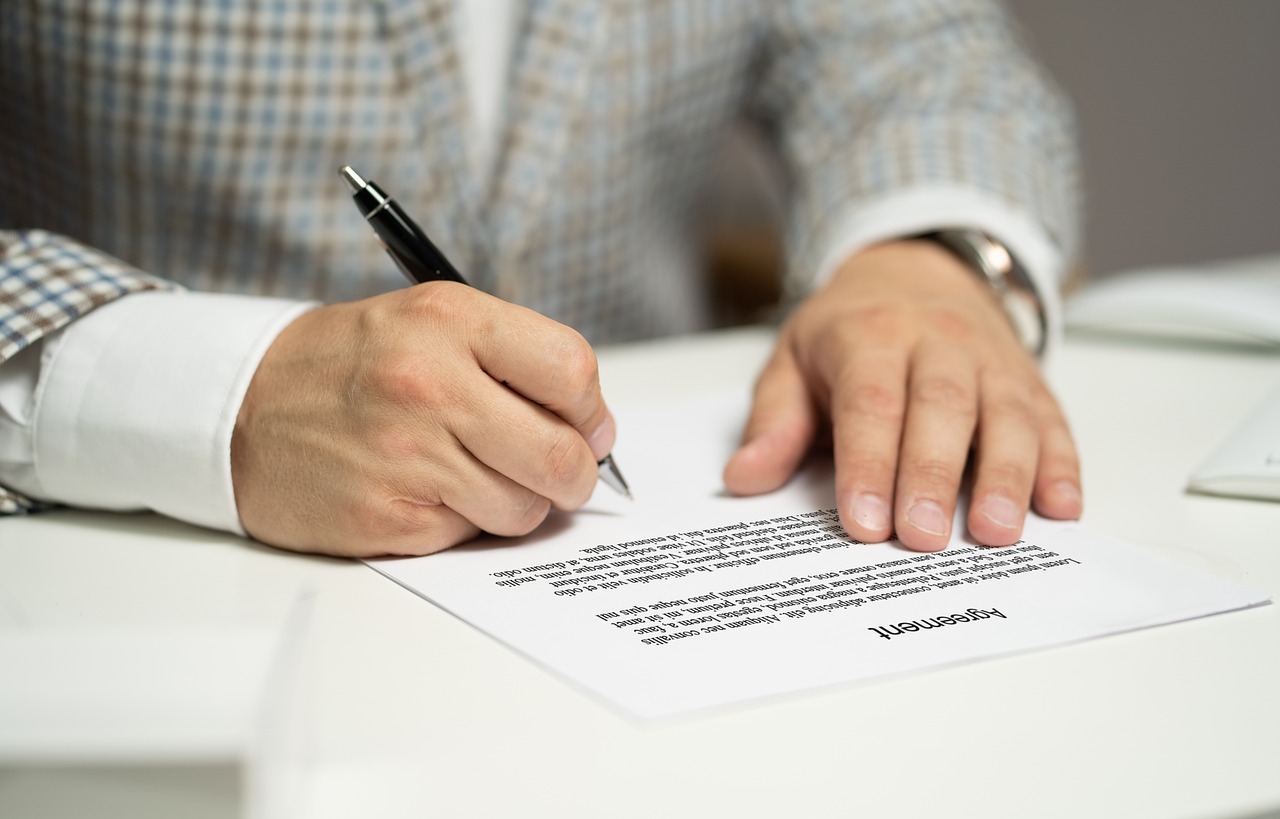

Step 6: Get an Inspection
Now that you've come to an agreement with the seller, it's time to arrange an inspection! We'll need to ensure we can get an inspector scheduled during the inspection period as detailed in the contract. The buyer may choose any licensed inspector, but I am also happy to refer you to inspectors that I have worked with in the past and trust. The inspection will be at the buyers' expense.
If something unexpected is discovered during the inspection, we will refer to the signed contract to determine how to proceed. In some cases, the buyer may waive their right to request remediation, but retain their right to withdraw from the contract based on the results of the inspection. In other cases, the buyer and seller may negotiate further through a contract addendum. It's important to ensure the contract is written in a way that you're comfortable with, so I'll be sure to discuss this with you before writing any offers.
Step 7: Confirm Financing
Once the inspection is complete, it's time to confirm your financing.
If you're working with a lender, they may have additional requirements in order to secure the loan. One of these requirements is often an appraisal. A lender will likely perform an appraisal of the property to ensure the property is worth more than the loan they are making on the property. This is one of the ways lenders protect themselves.
If you're planning a full-cash transaction or a cash down-payment, it's time to begin readying your finances for the transaction. We'll get clear instructions from the seller's title agent - they will be the party responsible for administering the transaction.


Step 8: Close the Sale
That's it - you've bought a home! Congratulations!
Your closing will likely take place at the office of the seller's title agent, where you and/or your mortgage lender will provide payment to the title agent. The title agent will then perform the transaction, ensuring all funds are accounted for and routed to the correct parties. Next, the seller will sign the ownership of the property to you. That's it!
Possession of the home may be negotiated during the offer phase. Although the sale has closed and ownership has transferred, the seller may retain possession of the home (as a tenant) for the period of time outlined in the contract.

 Columbus REALTOR® and Central Ohio Regional Multiple Listing Service, Inc .All information deemed reliable but not guaranteed. All properties are subject to prior sale, change or withdrawal. Neither listing broker(s) or information provider(s) shall be responsible for any typographical errors, misinformation, misprints and shall be held totally harmless. Listing(s) information is provided for consumer's personal, non-commercial use and may not be used for any purpose other than to identify prospective
